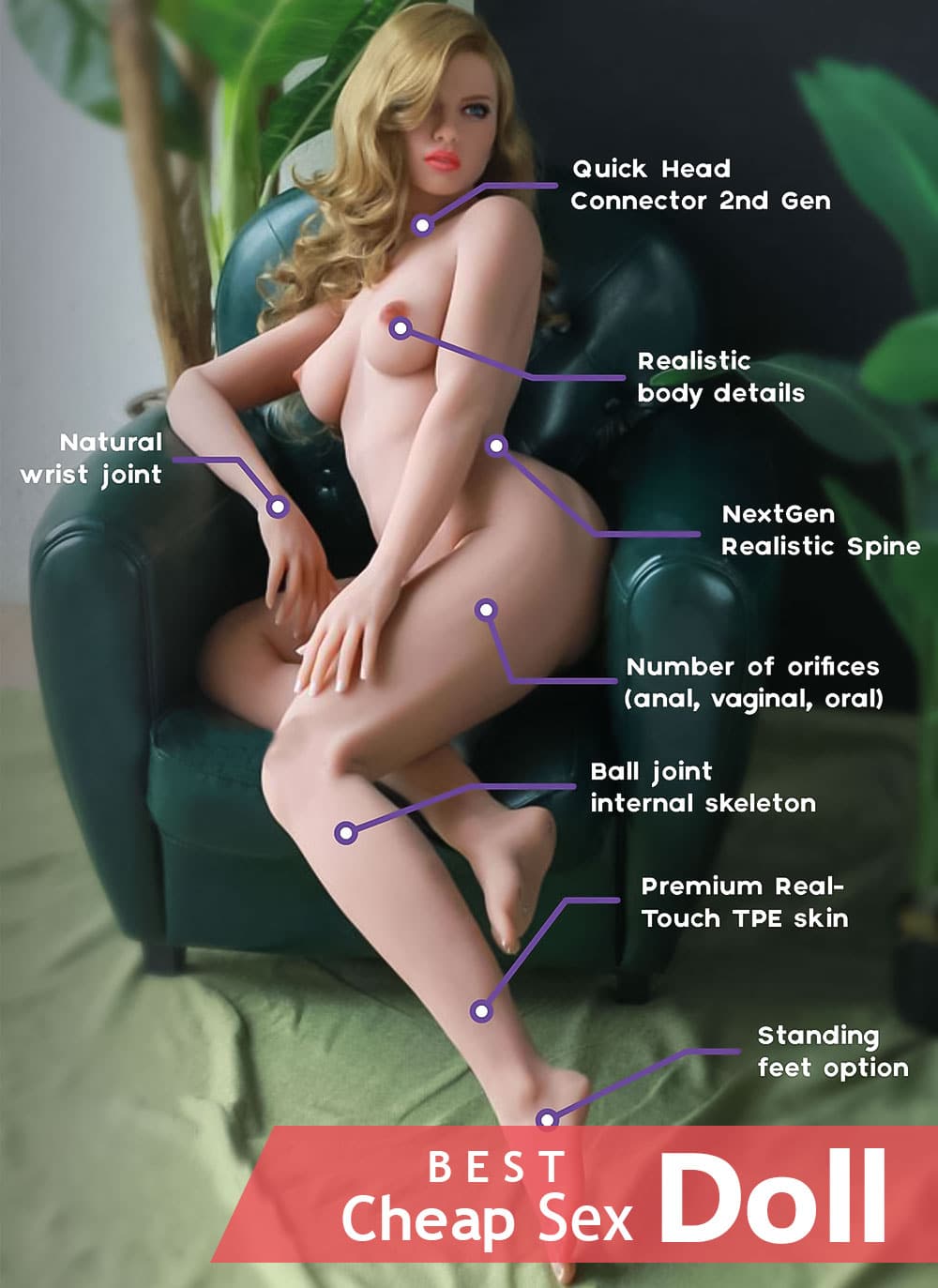
The evolution of sex dolls has been nothing short of remarkable. From the early inflatable models of the past to today’s hyper-realistic companions, the industry has undergone a dramatic transformation. While overall proportions and facial features initially drove advances in realism, the current frontier lies in much subtler anatomical details—the intricate blue veins visible beneath translucent skin, the unique patterns of pores and freckles, and the authentic texture of human skin that responds naturally to light and touch.
In this article, we’ll explore how these meticulous biological details are redefining the future of lifelike sex dolls and why they matter more than you might think for the user experience.
The Science Behind Realistic Skin in Sex Dolls
Material Innovations: TPE vs. Silicone
The foundation of realistic skin begins with advanced materials that mimic the look and feel of human skin. Modern sex dolls primarily utilize two materials, each with distinct properties:
- Thermoplastic Elastomer (TPE): Known for its softness and flexibility, TPE offers a more affordable option while still providing a lifelike tactile experience. It has gained significant popularity, accounting for approximately 50% of the market share in 2024.
- Platinum-grade silicone: Increasingly favoured for premium models, silicone provides superior durability, heat resistance, and a more realistic skin texture that maintains its integrity over time. The silicone segment continues to grow at an impressive rate as consumers seek greater realism and longevity.
The Pursuit of Human-like Tactile Experience
Beyond visual accuracy, manufacturers are increasingly focused on replicating the complex tactile experience of human skin. Recent innovations have introduced:
- Temperature-sensitive materials that can mimic natural body warmth when paired with integrated heating systems
- Multi-layered skin approaches that replicate both the visual appearance and physical properties of human skin
- Varied firmness across different body areas to create a more biologically accurate tactile experience
The Art of Vein Detailing in Sex Dolls
Techniques for Creating Realistic Vascular Features
Creating convincing vein systems requires sophisticated artistic techniques and advanced manufacturing processes:
- Hand-painting methods: Artisans use specialized translucent paints and layering techniques to create depth-accurate vein structures that appear to lie beneath the skin surface rather than on it.
- Embedded vein technology: Some manufacturers are experimenting with subdermal vascular elements, using coloured materials placed between skin layers during the moulding process.
- Translucent material layering: By utilizing semi-transparent outer skin layers over carefully colored underlayers, manufacturers can achieve the natural light diffusion characteristic of human skin over veins.
Psychological Impact of Vascular Realism
The inclusion of realistic vein structures contributes significantly to the perception of lifelikeness in ways that many users find difficult to articulate but immediately recognize:
- Subconscious authenticity: Veins provide visual cues that trigger our brain’s recognition of biological authenticity, even when we’re not consciously focusing on them.
- Enhanced emotional connection: For many users, these subtle biological details strengthen the sense of interacting with something living rather than an inanimate object.
- Light interaction realism: Properly executed vein details respond naturally to different lighting conditions, changing appearance as human veins would in sunlight, shadow, or artificial light.
Skin Texture Replication: Beyond the Visual
Pore-Level Detailing and Skin Imperfections
The reproduction of human skin texture has become increasingly sophisticated, moving beyond simple uniform patterns to replicate the natural variations found in biological skin:
- High-definition skin texturing: Using advanced moulding techniques from the special effects industry, manufacturers recreate not just pores but also the subtle variations in pore size and density across different body areas.
- Strategic imperfection placement: Artisans intentionally add beauty marks, freckles, stretch marks, and other subtle skin variations that make human skin unique.
- Age-appropriate texturing: Different models feature texture variations appropriate to their apparent age, from the smooth skin of youthful dolls to the more textured skin of mature models.
Surface Finish and Skin Reflection Properties
The interaction between light and skin plays a crucial role in perceived realism. Advanced manufacturing now addresses this through:
- Matte finishing techniques that replicate the natural light-diffusing properties of human skin rather than the artificial shine of early doll materials
- Variable glossiness across different body areas to mimic the natural oil distribution of human skin
- Multi-layer painting that creates depth and subsurface light scattering similar to human skin
Technological Innovations Driving Anatomical Realism
AI and 3D Modelling in Skin Texture Creation
Digital technologies have revolutionized the creation of hyper-realistic skin textures:
- AI texture mapping: Advanced algorithms can now analyze human skin references and generate complex texture maps that replicate pore patterns, skin variations, and surface details with biological accuracy
- 3D scanning of real models: Some manufacturers employ 3D scanning of human subjects to capture and transfer authentic skin topography directly to doll surfaces
- Digital sculpting advancements: Artists use sophisticated digital sculpting tools to create skin textures that would be impossible to achieve through traditional methods
Advanced Manufacturing Techniques
Turning these digital designs into physical products requires equally advanced manufacturing processes:
- High-resolution 3D printing enables the creation of detailed skin texture moulds with precision measured in microns
- Multi-material injection moulding allows different areas of the doll to feature varying skin properties and textures
- Computer-controlled painting systems ensure consistent application of complex skin tones and subsurface details, such as veins and capillaries.
The Future of Realism in Sex Dolls
Emerging Technologies and Their Potential Impact
The pursuit of realism continues to accelerate with several emerging technologies poised to redefine the boundaries:
- Integrated biometric features: Development is underway on dolls with simulated circulatory systems that create dynamic vein prominence based on temperature and position
- Responsive skin technology: Experimental materials that can change texture, develop goosebumps, or even simulate perspiration in response to environmental conditions
- AI-enhanced interactivity: Combined with realistic physical features, AI-powered dolls are becoming capable of more natural interactions, with sensors that detect touch and trigger appropriate responses
The Role of Material Science in Future Development. Advances in material science will drive the next generation of sex doll realism:
- Self-healing polymers that can repair minor scratches and maintain their realistic appearance longer
- Temperature-regulating materials that automatically maintain human-like body warmth without external heating systems
- Variable-durometry systems that replicate the different firmness levels of various anatomical structures beneath the skin surface
Conclusion: The Transformative Power of Details
The quest for realism in sex dolls has evolved from achieving correct proportions to replicating the subtle biological details that make us uniquely human. The intricate vein network, personalized skin textures, and light-responsive surfaces represent the current frontier in this journey.
These advances matter not just for aesthetic reasons but for the deepening human connection that users experience with these creations. As one industry report noted, modern sex dolls have transcended their origins as mere adult toys to become collectables celebrated for their artistry and realism.
The future promises even greater integration of physical and interactive realism. As materials science advances alongside AI capabilities, we’re approaching a world where the line between biological and artificial becomes increasingly blurred—all starting with the careful replication of the veins and skin details that make us who we are.
Discover the next generation of realistic companions—where art meets anatomy in perfect harmony.
Frequently Asked Questions
How do vein details enhance the realism of sex dolls?
Realistic vein structures create subconscious visual cues that trigger our brain’s recognition of biological authenticity. When executed appropriately, they interact naturally with light and vary in prominence across different body areas, significantly enhancing the doll’s perceived lifelikeness.
What is the difference between TPE and silicone in terms of skin realism?
While both materials can achieve impressive realism, silicone generally offers superior detail reproduction of vein and skin textures due to its finer moulding properties. TPE provides a softer feel and is more affordable, but may not hold the finest vascular details with the same precision as high-grade silicone.
Can you customize vein patterns and skin details?
Many manufacturers now offer customization options for vein visibility, skin texture, and surface details such as freckles or beauty marks. The level of customisation varies by manufacturer, with premium brands offering more extensive personalisation options.
How has technology improved the replication of skin textures?
AI texture mapping and high-resolution 3D printing revolutionized the replication of skin texture. These technologies analyze and reproduce complex human skin patterns with pore-level accuracy, producing results that would be impossible with traditional sculpting and moulding techniques alone.